
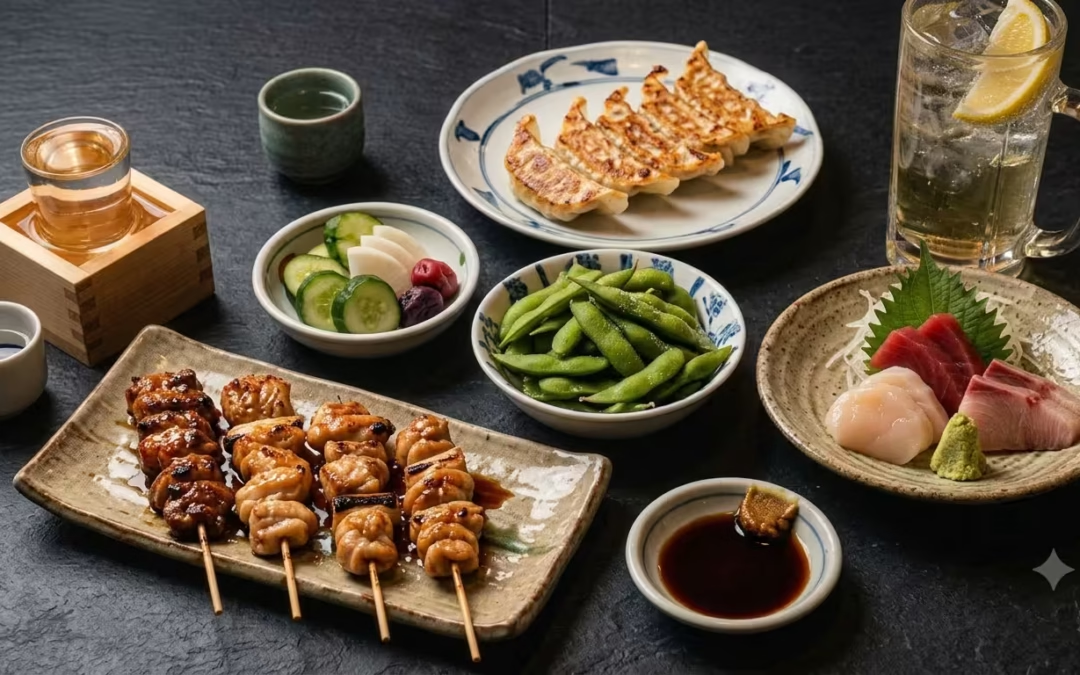
IZAKAYA 居酒屋
Izakaya — the Japanese-style pub — literally translates to “stay–sake–shop.” A place to grab a drink, settle in, and get comfortable. Sounds about right, doesn’t it?
In its earliest days, the Izakaya was simply a liquor shop or brewery that sold alcohol to take home. But by the 17th century, during the Edo period (modern-day Tokyo), some shops began allowing customers to drink right there in the store. What started as a convenience soon evolved into a cultural staple.
Blue-collar workers — rickshaw pullers, laborers, and deliverymen — would gather after a long day to share drinks, conversation, and laughter. As the custom spread, more Izakayas opened across the city. To keep up, they began offering small dishes to accompany the drinks, transforming from simple liquor sellers into lively, welcoming bars — the Izakayas we know and love today.
Most blue-collar workers in Edo were single and rarely cooked at home — cooking then was time-consuming, and after a long day of labor, few had the energy for it. Seeing this opportunity, Izakayas began offering small dishes alongside sake. Dining out at the neighborhood Izakaya soon became part of everyday life.
Over time, the Izakaya evolved completely — from a simple liquor shop into a casual eatery for the public. Historical records show early menus featuring tofu, edamame, grilled fish, and soups like miso. In those days, meat was often avoided for religious or cultural reasons, but by the late 18th century, Western influence began changing Japan’s diet. Izakayas followed suit, introducing braised beef, grilled chicken, and pork skewers alongside seafood.
Today, Izakayas serve an impressive variety — from salads and sashimi to yakitori, fried foods, creative small plates, and even desserts. With Japan’s strict drunk-driving and underage drinking laws, many Izakayas now also offer non-alcoholic beverages, blurring the line between restaurant and pub. What remains unchanged, however, is their spirit — a place to relax, share good food, and enjoy simple pleasures in good company.
So what sets an Izakaya apart from a regular restaurant?
In principle, an Izakaya must serve alcohol — that’s at the heart of its identity. A restaurant exists mainly for dining, but an Izakaya invites you to eat, drink, and linger — to relax, talk, and unwind. Most restaurants open for lunch and close by evening, while Izakayas come alive after dark, staying open late into the night.
In the Edo period, Izakayas were gathering places for low-income laborers. But over time, they evolved into a beloved part of modern Japanese life. Today, they’re where office workers, families, and friends come together after a long day — to share small plates, pour drinks for one another, and connect.
Unlike formal restaurants, an Izakaya offers informal dining with a wide variety of dishes at affordable prices, all in a lively, unpretentious setting where laughter is welcome and voices can rise freely.
That’s why it’s a little heartbreaking to see how the term “Izakaya” is sometimes used in the West — by big chains chasing profit with flashy gimmicks and mediocre food. Such places miss the soul of what an Izakaya truly is: a humble, heartfelt space where anyone, from any walk of life, can eat well, drink happily, and feel at home.
Izakaya Food
At its heart, Izakaya food is all about dishes that pair beautifully with drinks — simple, flavorful, and meant to be shared. The menu is filled with small plates, easy to pass around the table, allowing everyone to sample a bit of everything. Prices are modest, so you can enjoy a wide variety without feeling indulgent — the essence of relaxed, social dining.
Typical Izakaya fare includes a balance of grilled, fried, and fresh dishes, each designed to complement sake, beer, or shochu. Here are some of the classics you’ll often find on the menu:
-
Tsukemono – Japanese pickles, refreshing palate cleansers
-
Goma-ae – Vegetables tossed in a nutty sesame dressing
-
Edamame – Steamed or grilled salted soybeans
-
Yakitori – Grilled chicken skewers, a true Izakaya staple
-
Kushiyaki – Grilled skewers of meat or vegetables
-
Yaki Nasu – Charred Japanese eggplant with soy and ginger
-
Yakisoba – Stir-fried noodles with vegetables and savory sauce
-
Kara-age – Juicy, deep-fried chicken bites
-
Tebasaki – Seasoned chicken wings, grilled or fried
-
Grilled Fish (such as Hokke or Mackerel) – Perfect with a glass of sake
-
Tempura – Lightly battered and deep-fried vegetables or seafood
-
Agemono – Deep-fried dishes like squid, prawns, or small fish
-
Izakaya Sushi & Sashimi – Assorted nigiri, maki, and raw fish slices
-
Agedashi Tofu – Deep-fried tofu served in a delicate dashi broth
-
Gyoza – Pan-fried or steamed dumplings filled with pork and vegetables
In essence, Izakaya cuisine isn’t about extravagance — it’s about comfort, sharing, and enjoyment. Each dish invites you to take another sip, share another story, and stay just a little longer.
Izakaya Drinks
When it comes to drinks, Izakayas keep things simple and satisfying. You won’t find elaborate cocktails or craft beers here — just good, honest drinks that complement the food and the company.
Beer, whisky, sake, and easy-to-enjoy cocktails make up the core of the menu. In Japan, it’s almost customary to begin with a cold beer. You’ll often hear the phrase “Toriaezu biiru” — “Let’s start off with a beer.” It sets the tone for the evening, casual and cheerful.
The next most common choice is sake, Japan’s beloved rice wine. Served either warm or chilled, sake comes in a wide range — from affordable house pours to refined, seasonal varieties. It can be enjoyed by the glass or in a shared decanter, and pairs beautifully with fish, grilled dishes, and many Izakaya staples.
Beyond beer and sake, Izakayas offer a delightful variety of Japanese-style drinks:
-
Umeshu – Sweet and fragrant plum wine
-
Sour – A refreshing mix of spirits, soda water, and fruit juice (lemon sour is the classic)
-
Whisky Highball – Whisky with soda water, light and crisp
-
Shochu – A smooth spirit distilled from rice, barley, or sweet potatoes
-
Chuhai – Shochu mixed with soda water and fruit flavors
Each drink is meant to be easygoing, refreshing, and sociable — just like the Izakaya itself.