
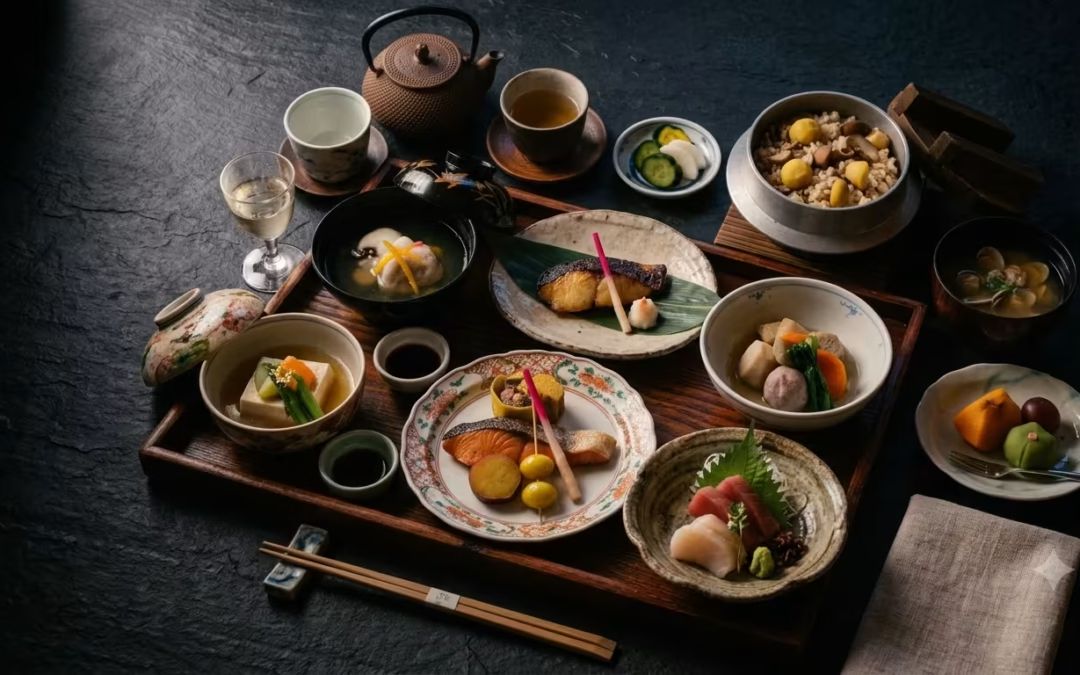
KAISEKI 懐石 /会席
The Art of Refined Japanese Dining
Those who have visited Japan — especially Kyoto — may have heard the term Kaiseki. In Japan, it represents one of the most formal and elegant styles of dining, and is often considered the highest expression of washoku, traditional Japanese cuisine — which itself has been recognized by UNESCO as an Intangible Cultural Heritage.
The origins of Kaiseki trace back to the Heian period (794–1185), where it first took shape in the imperial courts and Buddhist monasteries. The aristocracy of the time held elaborate ritual banquets featuring a remarkable variety of dishes — sometimes as many as twenty-eight different kinds — divided into four main categories: dried foods, fresh foods, fermented foods, and desserts.
Dried fish or fowl would be sliced thinly, while fresh ingredients might be served raw with vinegar or lightly grilled. Fermented delicacies included salt-pickled fish, sea squirt, or even jellyfish, and desserts were typically simple — fresh fruits or nuts. Much like modern Kaiseki, these meals were designed to be savored slowly, often unfolding over several hours.
While Buddhist monks practiced a simpler, entirely vegetarian version known as shōjin ryōri, the imperial nobility regarded vegetables as inferior to meat and fish, favoring dishes that reflected luxury and abundance. Over time, these early culinary traditions evolved into what we now recognize as Kaiseki, a graceful celebration of seasonality, balance, and beauty in simplicity.
Much like haute cuisine in the West, modern Kaiseki offers a high dining experience that can range from just a few courses to more than ten. Each dish is meticulously crafted to highlight the chef’s artistry and the freshest seasonal ingredients, capturing the essence of the moment — a philosophy deeply rooted in Japanese culture.
Yet Kaiseki is not only about taste. The atmosphere is an integral part of the experience. The dining room is serene and refined — far from the lively chatter of an Izakaya or casual restaurant. Conversation softens to a murmur, and the space itself invites reflection. Tables are set simply but beautifully, lighting is dim yet warm, and every detail — from the lacquerware to the scent of tatami — is designed to evoke a sense of calm.
Often, there is also a connection to nature — a garden view framed by open shoji screens, or a window that catches the soft rustle of bamboo leaves. In that moment, the boundary between nature and the meal dissolves, allowing diners to feel completely immersed in the harmony that Kaiseki embodies.
Where to Experience Kaiseki
Traditionally, Kaiseki cuisine was served as part of the Japanese tea ceremony, but today it can be enjoyed at specialized restaurants and ryokan (traditional Japanese inns) throughout Japan.
There are actually two forms of Kaiseki, each with distinct roots and purposes:
-
Kaiseki (懐石) — also known as cha-kaiseki, this is the light meal served before a formal tea ceremony. Influenced by shōjin ryōri (Buddhist vegetarian cuisine), it emphasizes simplicity, subtle flavors, and harmony with the spirit of tea.
-
Kaiseki (会席) — the full-course meal, traditionally enjoyed with sake, and more closely connected to the imperial banquets of the Heian courts. This version focuses on elegance, presentation, and a sequence of seasonal dishes.
As a form of multi-course haute cuisine, Kaiseki unfolds in a carefully considered order. Not every restaurant follows the exact traditional sequence, but most will feature the core dishes — each designed to showcase the chef’s skill, the balance of flavors, and the beauty of the season.
Kaiseki Course
A traditional Kaiseki meal unfolds like a graceful journey — a sequence of delicate courses, each harmonizing with the season and the flow of the meal. While the exact structure may vary by chef or region, the following dishes form the heart of the Kaiseki experience:
-
Sakizuke (先附) – A small appetizer, similar to the French amuse-bouche. Served cold, it is always the first dish, designed to awaken the palate and set the tone for the meal.
-
Suimono (吸い物) – A clear, refreshing soup featuring meat or seafood and vegetables simmered in a delicate soy or fish broth.
-
Hassun (八寸) – A beautifully arranged seasonal platter that represents the bounty of both the mountains and the sea, often including a type of sushi and several small side dishes.
-
Mukōzuke / Otsukuri (向付 / お造り) – A selection of assorted sashimi, featuring premium, seasonal fish artfully sliced and presented.
-
Takiawase (炊き合わせ) – A vegetable dish served alongside fish, meat, or tofu. Each component is simmered separately to preserve its individual flavor before being plated together in harmony.
-
Futamono / Wanmono (蓋物 / 椀物) – Literally meaning “lidded dish” or “bowl dish,” this course typically features a warm soup served in a covered lacquer bowl, offering a moment of gentle warmth and aroma.
-
Yakimono / Agemono (焼き物 / 揚げ物) – The grilled or fried course. Grilled seasonal fish or crisp tempura are common highlights that showcase texture and mastery of technique.
-
Nimono (煮物) – A simmered dish, often featuring seasonal vegetables such as bamboo shoots, gently cooked in flavorful dashi broth.
-
Mushimono (蒸し物) – A steamed dish, most often chawanmushi (savory egg custard) topped with seafood or fish roe — silky, subtle, and deeply comforting.
-
Gohan / Shokuji / Tome-wan / Ko no Mono (御飯 / 食事 / 止椀 / 香の物) – The rice course, which may appear as takikomi gohan or donabe gohan (seasoned rice with various toppings), often accompanied by miso soup (tome-wan) and pickles (ko no mono).
-
Mizumono / Mizugashi (水物 / 水菓子) – The dessert course, offering a light, seasonal finish — perhaps fresh fruit, wagashi (Japanese confections), ice cream, or a delicate cake.
Each dish in a Kaiseki meal reflects the season, balance, and harmony that define Japanese aesthetics — a celebration not only of taste, but of time, place, and the fleeting beauty of the moment.
Drinks with Kaiseki Breakfast
In Japan — as in much of Asia — the most common drink served with a meal is tea (cha, 茶). Tea accompanies nearly every dining occasion, and it comes in countless varieties and flavors, from delicate green teas to roasted and barley blends.
Of course, water is always available, though it’s worth noting that in Japan, it’s not customary to serve water automatically as in many Western countries. If you’d like some, simply ask — it’s perfectly polite to do so.
And for coffee lovers, Japan’s appreciation for coffee runs deep. Most ryokan (traditional inns) will have a pot freshly brewed in the morning. Some may offer it proactively or have it waiting when you sit down for breakfast, while others will gladly bring it upon request. Either way, you’ll find your morning cup of comfort is never far away.
Drinks with Kaiseki Dinner
A Kaiseki dinner is often a quietly festive affair, and for those who enjoy a drink, it offers the perfect opportunity to sample one of Japan’s most celebrated beverages — sake. Nearly every ryokan offers a curated selection of locally brewed sake, available warm or chilled, and sometimes even sparkling. There’s no better pairing for the season’s finest dishes than sake crafted from the same region’s rice and water.
In addition to sake, most ryokan also serve beer and wine. While some may feature local wines or regional craft brews, the classics — Asahi, Kirin, and Sapporo — are almost always available, along with a house red and white wine to complement the meal.
Whether you choose a delicate cup of sake or a crisp glass of beer, each sip completes the harmony of flavors that makes a Kaiseki dinner such a memorable experience.