
OMAKASE お任せ
Contrary to popular belief, Omakase isn’t a centuries-old tradition like Kaiseki. It emerged in the 1990s, when sushi restaurants began adapting to Japan’s new wave of affluent diners. Before then, sushi bars were sanctuaries for true connoisseurs — patrons who understood the subtleties of fish, seasonality, and the quiet artistry of the chef. They rarely drank, savoring each piece with reverence.
But during Japan’s bubble economy, newcomers flooded high-end sushi counters, eager yet inexperienced. Unfamiliar with fish names or etiquette, they often felt intimidated. To ease this tension, chefs began inviting guests to simply say, “Omakase” — leave it to me. What began as a gesture of convenience soon evolved into an art form — a meal guided by trust, craftsmanship, and the chef’s intuition.
Chefs embraced Omakase too. It allowed them the creative freedom to serve the freshest ingredients on hand, while guests could relax and enjoy conversation without the pressure of ordering. Trust became the essence of the experience — diners placing themselves completely in the hands of the chef.
The term “Omakase” literally means “to respectfully leave another to decide what is best.” And that is precisely what it embodies: a dining experience shaped by the chef’s intuition, where each course is thoughtfully chosen, prepared, and presented to express the best of the season — and the chef’s craft.
Omakase Sushi Restaurant
Today, when most people hear the word Omakase, they think of the Omakase sushi experience — an intimate, chef-led journey through the finest seasonal seafood. Sushi, though seemingly simple, is shaped by countless subtle factors that influence its flavor and balance.
An Omakase course typically weaves together premium and modest cuts of fish, harmonized with what’s freshest in season, creating a meal that feels indulgent yet thoughtfully balanced. The difference between good sushi and great sushi lies not only in the quality and freshness of the fish, but also in the rice — its texture, seasoning, temperature, and even how it’s shaped in the chef’s hand. Every detail matters.
This careful attention to harmony and timing is what makes Omakase sushi so special. By entrusting the chef, you allow them to craft a progression that highlights contrast and continuity — the best way to experience sushi as both a craft and an art form.
Most Omakase sushi restaurants are intimate, high-end establishments — often seating only seven to ten guests at the counter. Reservations are essential and can feel a bit like booking a ticket to an art exhibition, because in many ways, Omakase is a living art form. The most renowned venues, including several Michelin-starred restaurants, are often fully booked months in advance.
Stepping into an Omakase sushi restaurant is a sensory experience in itself. The ambiance is calm and refined, filled with the quiet aroma of fresh fish, rice vinegar, and polished wood. The setting is designed to soothe — minimalist yet warm, with every detail contributing to the mood. The chefs and staff greet guests with a quiet attentiveness, and once seated, there’s no rush, no noise, no distractions.
The atmosphere encourages guests to slow down and savor each moment. These first impressions — the space, the stillness, the grace of the chef’s movements — all set the stage for what follows: a culinary performance of precision, balance, and beauty.
Omakase Food and Drinks
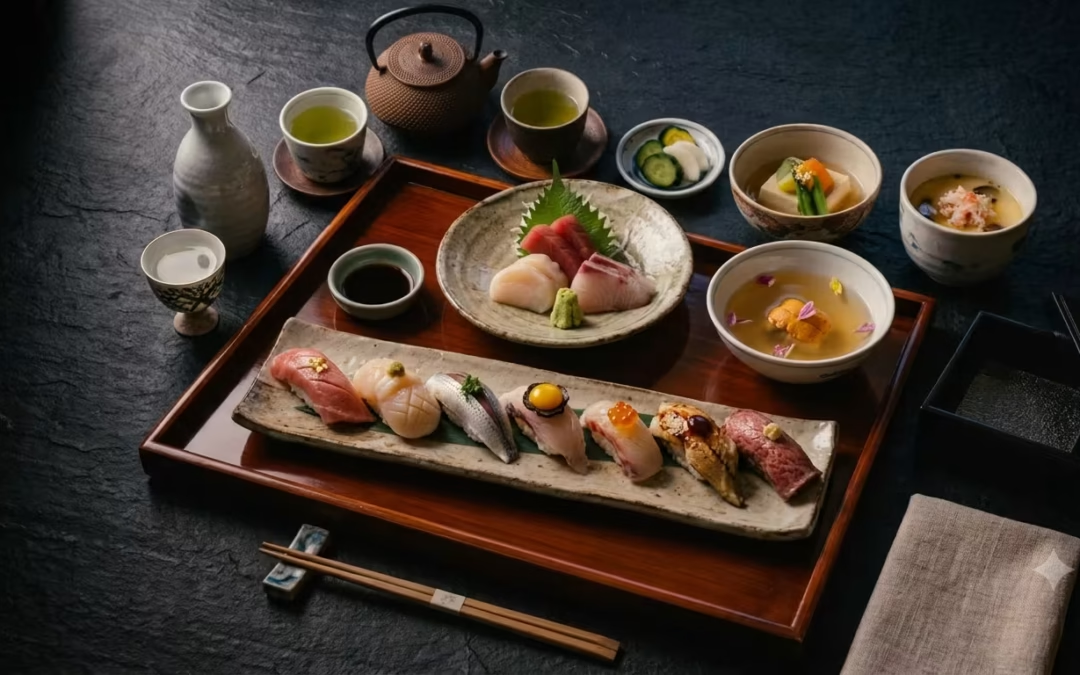
An Omakase sushi course — or tasting menu — showcases the very best a restaurant has to offer, often featuring seasonal sushi and sashimi chosen daily by the chef. The exact structure of the meal depends on the restaurant’s philosophy and, most importantly, the vision of the Itamae chef, whose intuition guides every detail.
Typical courses may include small seasonal appetizers such as hassun, followed by delicate sashimi and a variety of sushi prepared with different cuts, textures, and preparations. Each piece is served in a deliberate sequence, designed to move gracefully from light and subtle flavors to richer, deeper ones — ensuring the palate never tires.
Unlike standard restaurant menus, Omakase changes constantly. Most sushi restaurants adjust their offerings seasonally, but Omakase menus can shift daily, depending on the freshness and availability of fish. This is part of what makes the experience so special — no two meals are ever quite the same.
Guests are encouraged to share any dietary preferences or dislikes at the beginning, and then trust the chef’s judgment to craft a meal that reflects both the season and the chef’s creativity. It’s a dining experience built on trust, craftsmanship, and surprise — the purest expression of the sushi tradition.
Although it’s perfectly acceptable to use chopsticks, many believe that since sushi is crafted by hand, it’s best enjoyed the same way — with your hands. This is especially true for nigiri sushi, which is delicate and meant to melt in your mouth; handling it gently preserves its texture and shape. The ideal moment to eat each piece is immediately after the chef places it before you, when the temperature, texture, and flavor are at their peak.
As for drinks, most diners enjoy light, clean beverages that enhance the subtlety of the fish — typically beer, sake, or white wine. These pairings help cleanse the palate between bites, allowing the freshness and craftsmanship of each piece to shine through.
Edo-Style Sushi
Nigiri sushi was first created in Edo (modern-day Tokyo), and for a long time, all sushi restaurants followed this traditional Edo style. Over the years, as Tokyo evolved and sushi spread across Japan and the world, many different regional and modern interpretations emerged. Today, while sushi is beloved everywhere, true Edo-style sushi — with its precise techniques and timeless simplicity — is practiced by only a handful of chefs.
At Chef Krishna’s counter, guests are invited to experience the authentic spirit of Edo-style sushi, complete with its original etiquette and craftsmanship. Traditionally, an Edo-style serving included four pieces of nigiri per person, but as dining preferences changed, portions became smaller and courses longer. Here, however, you will enjoy slightly larger pieces, true to the classic Edo proportions — allowing you to savor the perfect balance of rice, fish, and flavor as it was meant to be.
To discover more about Edo-style sushi or reserve a seat with Chef Krishna, please get in touch — and experience a taste of history shaped by the hands of tradition.